


 I wrote the 1911 World Series piece in "present time" because I thought that would bring 1911 alive. It was fun for me to think of the Series as if it were currently going on instead of looking back on it and writing it like some boring high school history text. Of course, in reality, it took place 100 years ago, and everyone associated has long since passed away. At the time of the Series, of course they didn't know what the future had in store for them. We do know now. Let's take a look at what happened to some of the more notable 1911 A's players over the ensuing years.
The Athletics were in the midst of their first of two dynasties in Philadelphia. They had won the 1910 World Series over the Cubs, and now they beat the Giants to win another. They would hit the banquet circuit pretty hard that offseason. Home Run Baker was the most sought out athlete in America. The team had a fancy dinner at the Poor Richard Club, one of the most prestigious private clubs in the company, and which met at 239 Camac (The building where they partied is still standing and contains a law office now.)
The team won 90 games in 1912, but that was only good enough for 3rd place. They rebounded in 1913, winning 96 games and crushing the Giants again in the World Series. In 1914, they returned to the Series, where they were heavily favored against the Boston Braves. They were smoked in 4 games. There were rumors that the Series was fixed, but nothing ever came of them, and it seems more likely conspiracy buffs were just as active 97 years ago as they are now. Regardless, Mack had run into financial difficulty and decided to sell off all of his best players. The result was a collapse that can only be compared to the 1998 Marlins. The A's went from 99 wins to 43 wins. It took over a decade for the team to recover.
Home Run Baker sat out the 1914 season in a contract dispute with Mack, then was sent to the Yankees. He never replicated his success with the A's. He did play with Babe Ruth in NY, and was perhaps a little jealous of Ruth's celebrity. "I don't like to cast aspersions," Baker later confided to a reporter, "but a Little Leaguer today can hit the modern ball as far as grown men could hit the ball we played with." He became a coach on Maryland's Eastern Shore. He and Mack apparently settled their differences, for in 1925, he sold one of his players Jimmie Foxx, to Mack for a song. Foxx turned out to be a superstar. Baker was voted into the Hall of Fame in 1955.
Eddie Collins was shipped to the Chicago in 1915, and played on the 1919 Black Sox squad. He was never implicated as being involved, and stayed in the majors until 1930. Interestingly, he came back to Philly and was a pinch hitter on their 1929 World Series winning teams. He is the only Philadelphia major pro sports player I am aware of with 4 rings in any sport with the word "Philadelphia" inscribed on the ring. According to Bill James Win Share rating system, he was the greatest 2nd baseman of all time. He was inducted into the Hall of Fame in 1939.
If you want to learn about Chief Bender, check out this great interview with his biographer Tom Swift. He was part of the max exodus out of Philly after the 1914 season, playing for the Baltimore Terrapins of the Federal League. He returned to Philadelphia to play two years on the Phillies. After his career was done, he served as a scout for Connie Mack from 1925 to 1950. He was voted into the Hall of Fame in 1953, a year before his death.
Rube Oldring had an interesting mess on his hands during the 1914 World Series. He was planning to get married when his ex-wife claimed desertion. He claimed he had never been married before, though strangely he had filed twice in the 1910 census, once as married and once as single. He was heckled mercilessly by the Boston fans, and had a miserable Series. The matter was settled out of court, and he remained with his "new" wife for the remaining 47 years of his life.
Jack Coombs had one more great year left in the tank, going 21-10 with a 3.29 ERA for the A's in 1912. He battled typhoid for two years before Mack sent him to the Brooklyn Robins (aka Dodgers). He had one last hurrah in Brooklyn, where he and Rube Marquard teamed up to lead the Robins to the 1916 World Series. Coombs was the only Robins pitcher to get a win in that Series, as they fell to the Red Sox, 4 games to 1. He later became head baseball coach at Duke University, a position he served for 23 years. Duke's baseball field is named after him.
Eddie Plank is probably the most underrated pitcher in Philadelphia sports history. I'll be honest, I consider myself a pretty big sports nut and I hardly knew anything about him when I started this project. Come to find out, he was one of the greatest lefties in baseball history. He won 305 games as an American League pitcher, still an AL record for a lefty, and had a career ERA of 2.35. The winner of Game 2 of the 1911 World Series, he won the deciding Game 5 in 1913 by throwing a complete game 2 hitter. Like so many others, he left town after the 1914 World Series. He was inducted into the Hall of Fame in 1946.
As for Connie Mack, there's not much I can say that Shibe Park historian Bruce Kuklick didn't say in our awesome interview.
I wrote the 1911 World Series piece in "present time" because I thought that would bring 1911 alive. It was fun for me to think of the Series as if it were currently going on instead of looking back on it and writing it like some boring high school history text. Of course, in reality, it took place 100 years ago, and everyone associated has long since passed away. At the time of the Series, of course they didn't know what the future had in store for them. We do know now. Let's take a look at what happened to some of the more notable 1911 A's players over the ensuing years.
The Athletics were in the midst of their first of two dynasties in Philadelphia. They had won the 1910 World Series over the Cubs, and now they beat the Giants to win another. They would hit the banquet circuit pretty hard that offseason. Home Run Baker was the most sought out athlete in America. The team had a fancy dinner at the Poor Richard Club, one of the most prestigious private clubs in the company, and which met at 239 Camac (The building where they partied is still standing and contains a law office now.)
The team won 90 games in 1912, but that was only good enough for 3rd place. They rebounded in 1913, winning 96 games and crushing the Giants again in the World Series. In 1914, they returned to the Series, where they were heavily favored against the Boston Braves. They were smoked in 4 games. There were rumors that the Series was fixed, but nothing ever came of them, and it seems more likely conspiracy buffs were just as active 97 years ago as they are now. Regardless, Mack had run into financial difficulty and decided to sell off all of his best players. The result was a collapse that can only be compared to the 1998 Marlins. The A's went from 99 wins to 43 wins. It took over a decade for the team to recover.
Home Run Baker sat out the 1914 season in a contract dispute with Mack, then was sent to the Yankees. He never replicated his success with the A's. He did play with Babe Ruth in NY, and was perhaps a little jealous of Ruth's celebrity. "I don't like to cast aspersions," Baker later confided to a reporter, "but a Little Leaguer today can hit the modern ball as far as grown men could hit the ball we played with." He became a coach on Maryland's Eastern Shore. He and Mack apparently settled their differences, for in 1925, he sold one of his players Jimmie Foxx, to Mack for a song. Foxx turned out to be a superstar. Baker was voted into the Hall of Fame in 1955.
Eddie Collins was shipped to the Chicago in 1915, and played on the 1919 Black Sox squad. He was never implicated as being involved, and stayed in the majors until 1930. Interestingly, he came back to Philly and was a pinch hitter on their 1929 World Series winning teams. He is the only Philadelphia major pro sports player I am aware of with 4 rings in any sport with the word "Philadelphia" inscribed on the ring. According to Bill James Win Share rating system, he was the greatest 2nd baseman of all time. He was inducted into the Hall of Fame in 1939.
If you want to learn about Chief Bender, check out this great interview with his biographer Tom Swift. He was part of the max exodus out of Philly after the 1914 season, playing for the Baltimore Terrapins of the Federal League. He returned to Philadelphia to play two years on the Phillies. After his career was done, he served as a scout for Connie Mack from 1925 to 1950. He was voted into the Hall of Fame in 1953, a year before his death.
Rube Oldring had an interesting mess on his hands during the 1914 World Series. He was planning to get married when his ex-wife claimed desertion. He claimed he had never been married before, though strangely he had filed twice in the 1910 census, once as married and once as single. He was heckled mercilessly by the Boston fans, and had a miserable Series. The matter was settled out of court, and he remained with his "new" wife for the remaining 47 years of his life.
Jack Coombs had one more great year left in the tank, going 21-10 with a 3.29 ERA for the A's in 1912. He battled typhoid for two years before Mack sent him to the Brooklyn Robins (aka Dodgers). He had one last hurrah in Brooklyn, where he and Rube Marquard teamed up to lead the Robins to the 1916 World Series. Coombs was the only Robins pitcher to get a win in that Series, as they fell to the Red Sox, 4 games to 1. He later became head baseball coach at Duke University, a position he served for 23 years. Duke's baseball field is named after him.
Eddie Plank is probably the most underrated pitcher in Philadelphia sports history. I'll be honest, I consider myself a pretty big sports nut and I hardly knew anything about him when I started this project. Come to find out, he was one of the greatest lefties in baseball history. He won 305 games as an American League pitcher, still an AL record for a lefty, and had a career ERA of 2.35. The winner of Game 2 of the 1911 World Series, he won the deciding Game 5 in 1913 by throwing a complete game 2 hitter. Like so many others, he left town after the 1914 World Series. He was inducted into the Hall of Fame in 1946.
As for Connie Mack, there's not much I can say that Shibe Park historian Bruce Kuklick didn't say in our awesome interview.
 It's almost time to stand up and leave the ballpark. It's been an incredible ride. For the people who have followed along, I hope it's been half as much fun for you as it has been for me. For those who are just getting here, I will have a full encapsulation up on the site soon.
It's been really cool getting to know the 1911 A's and Giants, and I've had a ton of fun researching, particularly in going through old Inquirers. I also want to make mention of a book once again that has provided an incredible amount of insight to this Series. Connie Mack and the Early Years of Baseball is a terrific read, and had some amazing quotes. And it goes without saying that Baseball-Reference has been an incredibly integral part of this process.
We are not done yet. I will be back in the next day or two with an epilogue. Of course, at the time of this Series, none of these guys knew what destiny had in store for them. Their futures were as up in the air as yours or mine is today. That's part of what made writing in the style of covering it live so much fun...I knew little of these guys as well, so it was all almost as fresh to me as it was when it rolled out of the paper 100 years ago. Some of the guys who played in this series went down in the history books as heroes (Home Run Baker and Christy Mathewson), others would go down in the history books as goats (Fred Merkle and Fred Snodgrass), and of course the vast majority of them would all but vanish from history. But the fun of running this site is that, for me and at least a few dozen other folks, they all came back to life for a couple of weeks.
It's almost time to stand up and leave the ballpark. It's been an incredible ride. For the people who have followed along, I hope it's been half as much fun for you as it has been for me. For those who are just getting here, I will have a full encapsulation up on the site soon.
It's been really cool getting to know the 1911 A's and Giants, and I've had a ton of fun researching, particularly in going through old Inquirers. I also want to make mention of a book once again that has provided an incredible amount of insight to this Series. Connie Mack and the Early Years of Baseball is a terrific read, and had some amazing quotes. And it goes without saying that Baseball-Reference has been an incredibly integral part of this process.
We are not done yet. I will be back in the next day or two with an epilogue. Of course, at the time of this Series, none of these guys knew what destiny had in store for them. Their futures were as up in the air as yours or mine is today. That's part of what made writing in the style of covering it live so much fun...I knew little of these guys as well, so it was all almost as fresh to me as it was when it rolled out of the paper 100 years ago. Some of the guys who played in this series went down in the history books as heroes (Home Run Baker and Christy Mathewson), others would go down in the history books as goats (Fred Merkle and Fred Snodgrass), and of course the vast majority of them would all but vanish from history. But the fun of running this site is that, for me and at least a few dozen other folks, they all came back to life for a couple of weeks.
 If you're joining us late, never to fear. Here are all the links to the most important things we've posted so far:
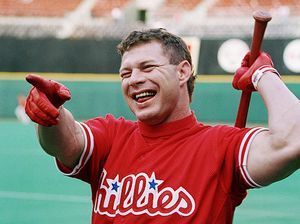
Before he was an alleged criminal, stealing people's money*, buying stolen cars*, and showing off his genitalia to housecleaners*, Lenny Dykstra was a hero. And it was on October 10th, 1993, that he sealed his fate as a Philadelphia immortal. The Phillies and Braves were tied at two games apiece, and the winner of Game 5 would be one win away from the World Series. It was a premier pitching matchup, as Curt Schilling faced off against Steve Avery, a 23-year old lefty phenom coming off an 18-6 year with a 2.94 ERA.
Schilling was masterful, and after 8 innings he had a shutout, giving up only 4 hits and allowing no runs. The Phillies went into the bottom of the 9th with a 3-0 lead. Then it all began to unravel. A leadoff walk by Jeff Blauser was followed by an error by Kim Batiste (the Phils defensive replacement at 3rd also had a crucial error in Game 1), and there were runners on first and second. Schilling was pulled and in came Wild Thing. Singles by McGriff, Terry Pendleton, and Francisco Cabrera tied the game at 3, and Mitch Williams almost earned his goat tag two weeks earlier than destiny would have it. But in the top of the 10th, Lenny Dykstra came up with one out and nobody on. The count went to 3-2, and Dykstra knew exactly what pitch was coming from reliever Mark Wohlers. The fastball came down the middle, and Dykstra took it for a ride over the right field wall.
Dykstra is the guy who always wants to do something and is never afraid to step up and shoulder the pressure.
"I'm a situation player," Dykstra said. "I like those big situations. There are players who like to be on the spot and have to make the play, and there are players who fear those situations. I'll just tell you, there is no fear here.
"I want to be like Keith Hernandez and Gary Carter were for that Mets team I played on back in '86. I want to be the leader. I want to be the guy that everybody looks to in the tough situations. I want to be the one who gets it done when it has to be done. As far as I'm concerned, it's never too late."
"I thought we wanted to get something done against them right there in that inning," Dykstra said. "We didn't want to mess with them too long."
The series would come back to Philly, where the Phils would knock off the Greg Maddux and the Braves in Game 6, with Dykstra scoring twice.
*allegedly
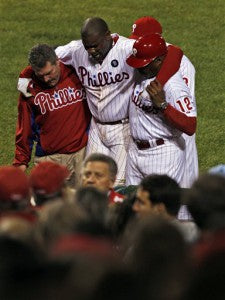 The Daily News had the headline today that read, "Worst Weekend Ever." Is that true? Well, I decided to look back on some previous baseball disappointments to see what the football team did that weekend. As far as I can tell, it looks like this weekend was the worst ever.
-On Sunday, September 20th, 1964, the Eagles fell to the 49ers 28-24. It hardly dampened the spirits of Philadelphians, however. The baseball team beat the Dodgers that day and had a 6 1/2 game lead with but 12 games left to play, and World Series tickets were beinng printed. On September 21st, Chico Ruiz stole home, and by the next weekend they were in a freefall. It certainly didn't help the city's mood when the Eagles fell to the Browns 28-20 on September 27th, the same day that the Phils lost the lead in the National League. The next Sunday, the 4th of October, the Phillies beat the Reds 10-0. It was too late, however, as the Cards won that evening to win the National League. It was of small consolation that the Birds beat the Steelers 21-7 that day.
-Friday, October 7th is known as Black Friday in Philadelphia, as the Phillies choked in the 9th inning of Game 3 of the NLCS against the Dodgers in 1977. They had a 5-3 lead with 2 outs in the 9th. But then Vic Davillo laid down a perfect bunt, Luzinski ran into the wall, Sizemore misplayed the throw in, the umps blew a call at first, and suddenly it was a tie game. An errant pickoff throw put Davey Lopes of the Dodgers at 2nd, and Bill Russell drove him in with a single. The Dodgers would win the game 6-5, and win the series in 4 games. Many people think that the '77 team was the best Phillies team ever. Two days later, the Eagles would defeat the Giants 28-10 to go 2-2 on the season. They would end the year 5-9.
-On October 26th, 1993, Mitch Williams gave up that infamous home run to Joe Carter, allowing the Blue Jays to win the World Series. There was nothing to distract Philly sports fans from their misery, either. The Eagles had a bye week that week.
The Daily News had the headline today that read, "Worst Weekend Ever." Is that true? Well, I decided to look back on some previous baseball disappointments to see what the football team did that weekend. As far as I can tell, it looks like this weekend was the worst ever.
-On Sunday, September 20th, 1964, the Eagles fell to the 49ers 28-24. It hardly dampened the spirits of Philadelphians, however. The baseball team beat the Dodgers that day and had a 6 1/2 game lead with but 12 games left to play, and World Series tickets were beinng printed. On September 21st, Chico Ruiz stole home, and by the next weekend they were in a freefall. It certainly didn't help the city's mood when the Eagles fell to the Browns 28-20 on September 27th, the same day that the Phils lost the lead in the National League. The next Sunday, the 4th of October, the Phillies beat the Reds 10-0. It was too late, however, as the Cards won that evening to win the National League. It was of small consolation that the Birds beat the Steelers 21-7 that day.
-Friday, October 7th is known as Black Friday in Philadelphia, as the Phillies choked in the 9th inning of Game 3 of the NLCS against the Dodgers in 1977. They had a 5-3 lead with 2 outs in the 9th. But then Vic Davillo laid down a perfect bunt, Luzinski ran into the wall, Sizemore misplayed the throw in, the umps blew a call at first, and suddenly it was a tie game. An errant pickoff throw put Davey Lopes of the Dodgers at 2nd, and Bill Russell drove him in with a single. The Dodgers would win the game 6-5, and win the series in 4 games. Many people think that the '77 team was the best Phillies team ever. Two days later, the Eagles would defeat the Giants 28-10 to go 2-2 on the season. They would end the year 5-9.
-On October 26th, 1993, Mitch Williams gave up that infamous home run to Joe Carter, allowing the Blue Jays to win the World Series. There was nothing to distract Philly sports fans from their misery, either. The Eagles had a bye week that week.
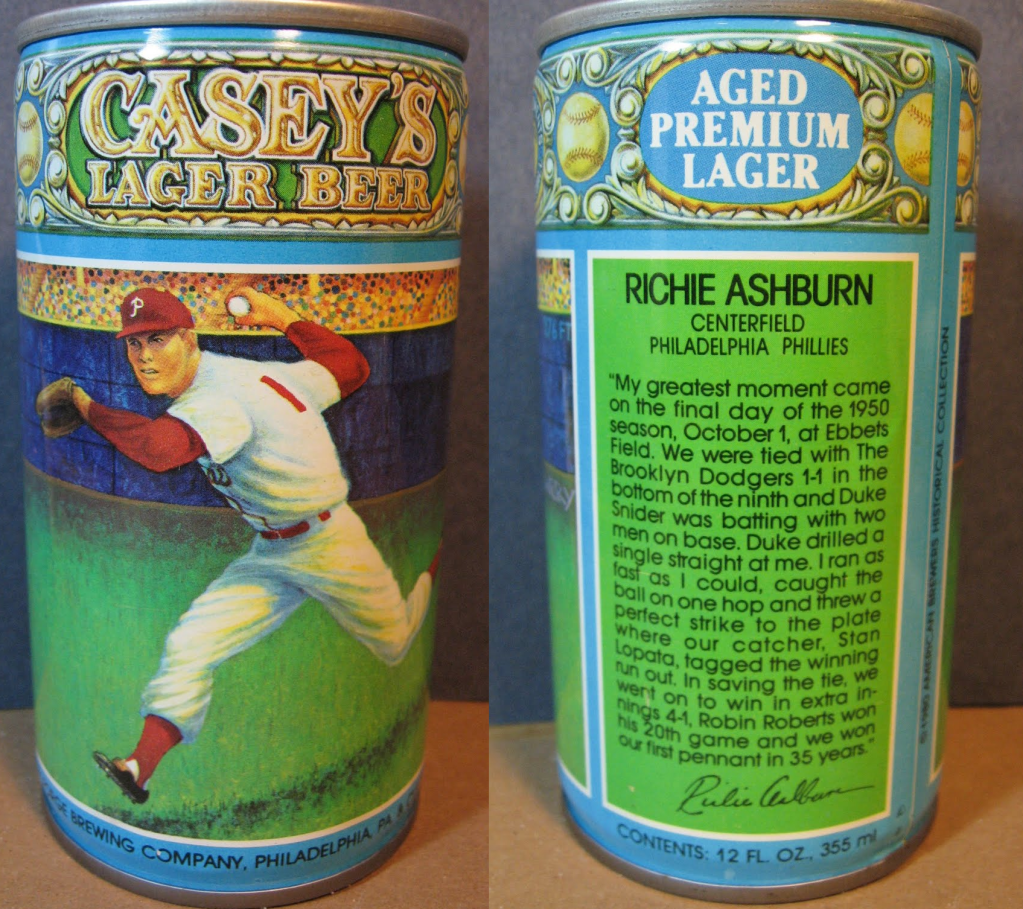
Beer Week rolls on. We came across this somewhat ridiculous beer can featuring none other than Phillies great, Richie Ashburn. As you can see, one side features a drawing of the center fielder, while the other quotes Ashburn on his self-described greatest moment: "The Throw." Released in 1980 by the Valley Forge Brewing Company, the Ashburn can was one of four that featured baseball Hall of Famers. The others were Whitey Ford, Duke Snider and Negro League star Monte Irvin.
 Had a chance to sit down with local author and Penn prof Bruce Kuklick recently and ask him about his excellent book, To Every Thing a Season. To read Part One of that Interview, where Bruce talks about who was better the 1929 A's or 2011 Phillies, click here. To read Part Two, where he talks about Connie Mack and the best and worst things about Shibe Park, click here. Today we present part 3, where Bruce talks about why Connie Mack couldn't serve beer at the ballpark, when Philly fans first got their reputation as being rowdy, and how Penn's former President prevented Citizen's Bank Park from being built downtown.
JGT: One thing I found interesting about the book was Mack's fight to serve alcohol at the ballpark. And that was something that went on for decades. And he never got it done. They wouldn't let them serve beer in the ballpark until after the A's left town. Why was their so much pushback to serving beer in ballparks?
KUKLICK: Well first of all, you've got to understand, it's Pennsylvania. Pennsylvania is not a dry state, but it's one in which there are enough rural Protestant Republicans who really want to control drinking to the extent that they can. And this has been true long before the 20th century and it has nothing to do with sports per se.
Philadelphia and Pittsburgh. What do they represent? They represent bad things to a lot of these people. Because they're urban, there's a lot more liquor, women, and things like that. And another thing, there are a lot more Catholics in the big cities in comparison to the rest of the state. Mack is a Catholic. And so when he starts agitating for liquor at the ballpark, this represents to the powers-that-be something that is off-color, it's vulgar, it's nasty.
JGT: So is Mack fighting more the state or the city?
KUKLICK: He's fighting the state. There's a whole series of blue laws which not only control drinking but control your behavior on a Sunday. You know what they say today. They say today, "You've got Pittsburgh and you've got Philadelphia, and in between you've got Alabama."
I don't think that Mack saw this as a Catholic drinking issue, which a lot of people have accused him of. He saw it as a revenue stream. And (when it came to drinking laws) from the 1930s to 1970s (They allowed sales of beer in the ballpark starting in 1961, but no beer on Sundays until 1972) it was always politicians in Pittsburgh and Philadelphia against the rest of the state, and the politicians in the big cites get their biggest support from professional sports teams.
JGT: So other ballparks in the country were serving beer well before Shibe?
KUKLICK: Yeah. I don't know what the exact history of the other ballparks is, but Philadelphia was particularly noted for its dryness. One of the things I didn't put in the book is that you have so much smuggling of beer into the ballpark. Which is one reason why a place like Kilroy's (The bar located behind right field where Phillies relief pitchers sometimes snuck into to grab a drink during games.) does so well, because people just grabbed beer there and put it in a bag. So there was a lot of technically illegal beer drinking. Which I think in football contributed to a lot of this rowdy behavior. There's this history of people smuggling stuff into the parks.
Had a chance to sit down with local author and Penn prof Bruce Kuklick recently and ask him about his excellent book, To Every Thing a Season. To read Part One of that Interview, where Bruce talks about who was better the 1929 A's or 2011 Phillies, click here. To read Part Two, where he talks about Connie Mack and the best and worst things about Shibe Park, click here. Today we present part 3, where Bruce talks about why Connie Mack couldn't serve beer at the ballpark, when Philly fans first got their reputation as being rowdy, and how Penn's former President prevented Citizen's Bank Park from being built downtown.
JGT: One thing I found interesting about the book was Mack's fight to serve alcohol at the ballpark. And that was something that went on for decades. And he never got it done. They wouldn't let them serve beer in the ballpark until after the A's left town. Why was their so much pushback to serving beer in ballparks?
KUKLICK: Well first of all, you've got to understand, it's Pennsylvania. Pennsylvania is not a dry state, but it's one in which there are enough rural Protestant Republicans who really want to control drinking to the extent that they can. And this has been true long before the 20th century and it has nothing to do with sports per se.
Philadelphia and Pittsburgh. What do they represent? They represent bad things to a lot of these people. Because they're urban, there's a lot more liquor, women, and things like that. And another thing, there are a lot more Catholics in the big cities in comparison to the rest of the state. Mack is a Catholic. And so when he starts agitating for liquor at the ballpark, this represents to the powers-that-be something that is off-color, it's vulgar, it's nasty.
JGT: So is Mack fighting more the state or the city?
KUKLICK: He's fighting the state. There's a whole series of blue laws which not only control drinking but control your behavior on a Sunday. You know what they say today. They say today, "You've got Pittsburgh and you've got Philadelphia, and in between you've got Alabama."
I don't think that Mack saw this as a Catholic drinking issue, which a lot of people have accused him of. He saw it as a revenue stream. And (when it came to drinking laws) from the 1930s to 1970s (They allowed sales of beer in the ballpark starting in 1961, but no beer on Sundays until 1972) it was always politicians in Pittsburgh and Philadelphia against the rest of the state, and the politicians in the big cites get their biggest support from professional sports teams.
JGT: So other ballparks in the country were serving beer well before Shibe?
KUKLICK: Yeah. I don't know what the exact history of the other ballparks is, but Philadelphia was particularly noted for its dryness. One of the things I didn't put in the book is that you have so much smuggling of beer into the ballpark. Which is one reason why a place like Kilroy's (The bar located behind right field where Phillies relief pitchers sometimes snuck into to grab a drink during games.) does so well, because people just grabbed beer there and put it in a bag. So there was a lot of technically illegal beer drinking. Which I think in football contributed to a lot of this rowdy behavior. There's this history of people smuggling stuff into the parks.
 JGT: Speaking of rowdy behavior, Philly fans have a reputation of rowdyism. Does that go back to the Shibe Park days?
KUKLICK: Yeah. Well it first starts in the first decade of the 20th century when the A's are battling the Detroit Tigers and Ty Cobb ("Sliding" into home, right). And Philadelphia fans hate Cobb. And I find out that they send a death threat to him. And at one point he's riding on a subway to get to the park and fans come and topple over this subway and he runs scared and runs out. Now, I don't know that that's the beginning, but that's the earliest time I could trace it. They say that today this (CBP) is the only stadium where the crowd can really rattle an opposing pitcher because the fans get so boisterous and angry. There's a tradition of it here, it goes back over 100 years. Why we got it? I don't know.
JGT: A guy I interviewed a few weeks ago who was a fan of the A's in the 20s said that Al Simmons, one of the stars of that team, couldn't catch a break from the fans. Then you had Del Ennis in the 50s...
KUKLICK: And then you had it with Mike Schmidt.
JGT: So this strange phenomenon of Philadelphia fans beating up on their own is nothing new.
KUKLICK: There's a story of one guy, Gus Zernial, who was a slugger kind of like Ennis but he didn't have that long of a career in Philadelphia (note: he played here from 1951-1954). He fell and broke his leg trying to catch a fly ball, and they all cheered when he broke his leg. They're out for blood.
JGT: Getting back to the ballpark. Looking at what's happened in the neighborhoods surrounding Wrigley and Fenway since the teams decided to stay, and how those neighborhoods have come back up, had they decided to rehab Shibe instead of tear it down, do you think that neighborhood would be different today?
KUKLICK: I absolutely do. My wife and I went on vacation one time to Club Med, and we were talking to some people, and we said, "Where are you from?" and this guy said "Wrigleyville." He didn't say Chicago. And we knew exactly where he was talking about. That ballpark is known all over the Western World. And every once in a while, I think, "Gee if they had only had the foresight." But basically that area went through a really terrible period. It's now come up considerably on its own. It's a lot less nasty and dangerous than it was.
But Carpenter (The Phillies owner at the time) was just not interested. He didn't think in those terms at all.
JGT: Like the guys in Pittsburgh and Cincinnati, he thought, "I can save a fortune by not having to grow grass."
KUKLICK: When I teach Vietnam, I'll say, "Those ballparks that they are now tearing down (Riverfront, The Vet, Three Rivers, etc.), they were all built during that period, and it's kind of our Roman period. The United States thinks it's going to conquer the world. And we have these ballparks that look like Roman Colosseums." So Carpenter isn't alone.
JGT: So now they're at Citizen's bank. Not in a neighborhood. Are you a fan of Citizen's Bank?
KUKLICK: Oh yeah. I'm not overwhelmed by it, but I do like going there. I'd like it a lot better if it were in the city. I was one of the people who, well, I'll tell you this story. The previous President at Penn was a woman named Judy Ronin, who had no sense of baseball or sports at all. And then there were plans to put a stadium on stilts next to the Walnut Street Bridge, so that a home run would go into the river. They had all of these terrific downtown urban plans, and she said, "I don't want those baseball drunks pissing in my University." And she vetoed it. I wanted it right there.
You know, Philadelphians have never wanted to build their ballparks right in the middle of the city. When they built Shibe, it was the countryside. I think you have to have more of an urban mindset more so than these planners have had in Philly.
JGT: Speaking of rowdy behavior, Philly fans have a reputation of rowdyism. Does that go back to the Shibe Park days?
KUKLICK: Yeah. Well it first starts in the first decade of the 20th century when the A's are battling the Detroit Tigers and Ty Cobb ("Sliding" into home, right). And Philadelphia fans hate Cobb. And I find out that they send a death threat to him. And at one point he's riding on a subway to get to the park and fans come and topple over this subway and he runs scared and runs out. Now, I don't know that that's the beginning, but that's the earliest time I could trace it. They say that today this (CBP) is the only stadium where the crowd can really rattle an opposing pitcher because the fans get so boisterous and angry. There's a tradition of it here, it goes back over 100 years. Why we got it? I don't know.
JGT: A guy I interviewed a few weeks ago who was a fan of the A's in the 20s said that Al Simmons, one of the stars of that team, couldn't catch a break from the fans. Then you had Del Ennis in the 50s...
KUKLICK: And then you had it with Mike Schmidt.
JGT: So this strange phenomenon of Philadelphia fans beating up on their own is nothing new.
KUKLICK: There's a story of one guy, Gus Zernial, who was a slugger kind of like Ennis but he didn't have that long of a career in Philadelphia (note: he played here from 1951-1954). He fell and broke his leg trying to catch a fly ball, and they all cheered when he broke his leg. They're out for blood.
JGT: Getting back to the ballpark. Looking at what's happened in the neighborhoods surrounding Wrigley and Fenway since the teams decided to stay, and how those neighborhoods have come back up, had they decided to rehab Shibe instead of tear it down, do you think that neighborhood would be different today?
KUKLICK: I absolutely do. My wife and I went on vacation one time to Club Med, and we were talking to some people, and we said, "Where are you from?" and this guy said "Wrigleyville." He didn't say Chicago. And we knew exactly where he was talking about. That ballpark is known all over the Western World. And every once in a while, I think, "Gee if they had only had the foresight." But basically that area went through a really terrible period. It's now come up considerably on its own. It's a lot less nasty and dangerous than it was.
But Carpenter (The Phillies owner at the time) was just not interested. He didn't think in those terms at all.
JGT: Like the guys in Pittsburgh and Cincinnati, he thought, "I can save a fortune by not having to grow grass."
KUKLICK: When I teach Vietnam, I'll say, "Those ballparks that they are now tearing down (Riverfront, The Vet, Three Rivers, etc.), they were all built during that period, and it's kind of our Roman period. The United States thinks it's going to conquer the world. And we have these ballparks that look like Roman Colosseums." So Carpenter isn't alone.
JGT: So now they're at Citizen's bank. Not in a neighborhood. Are you a fan of Citizen's Bank?
KUKLICK: Oh yeah. I'm not overwhelmed by it, but I do like going there. I'd like it a lot better if it were in the city. I was one of the people who, well, I'll tell you this story. The previous President at Penn was a woman named Judy Ronin, who had no sense of baseball or sports at all. And then there were plans to put a stadium on stilts next to the Walnut Street Bridge, so that a home run would go into the river. They had all of these terrific downtown urban plans, and she said, "I don't want those baseball drunks pissing in my University." And she vetoed it. I wanted it right there.
You know, Philadelphians have never wanted to build their ballparks right in the middle of the city. When they built Shibe, it was the countryside. I think you have to have more of an urban mindset more so than these planners have had in Philly.
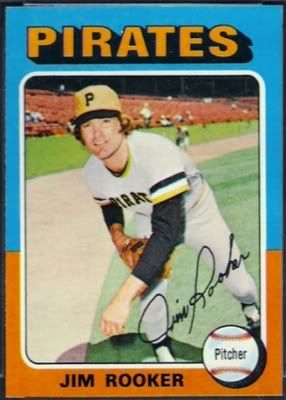 On this day in 1989, Pirates play-by-play man Jim Rooker wrote a check in the bottom of the first inning of a Pirates/Phillies game at Veterans Stadium that he never thought he'd have to cash. Obviously, the old sports adage that "anything can happen" wasn't on his mind.
Before Rooker made his now famous quip, the Pirates had 16 batters come to the plate in the top of the first inning which looked more like batting practice than anything else. Phils starter Larry McWilliams was chased after giving up 4 hits and 6 earned runs while registering just one out. All in all, the Pirates exploded for 8 hits in the top half of the first frame, after which they boasted a 10-0 lead.
And that's when Jim Rooker opened his mouth:
On this day in 1989, Pirates play-by-play man Jim Rooker wrote a check in the bottom of the first inning of a Pirates/Phillies game at Veterans Stadium that he never thought he'd have to cash. Obviously, the old sports adage that "anything can happen" wasn't on his mind.
Before Rooker made his now famous quip, the Pirates had 16 batters come to the plate in the top of the first inning which looked more like batting practice than anything else. Phils starter Larry McWilliams was chased after giving up 4 hits and 6 earned runs while registering just one out. All in all, the Pirates exploded for 8 hits in the top half of the first frame, after which they boasted a 10-0 lead.
And that's when Jim Rooker opened his mouth:
If we don't win this one, I don't think I'd want to be on that plane ride home. Matter of fact, if we don't win, I'll walk back to Pittsburgh.Whoops. It didn't take long for the Phillies to get on the board. After a Randy Ready leadoff double in the bottom of the first, Von Hayes blasted a home run. Then, in the bottom of the third, Hayes cut the lead to 10-4 with another 2 run home run. In the next inning, a Steve Jeltz (yes, Steve Jeltz,) 2 run bomb made it 10-6. The Pirates added a run in the 5th, but Jeltz homered again in a 4-run 6th (Jeltz hit two of his five career Home Runs in this game!). In the bottom of the 8th, with the Pirates leading 11-10, John Kruk scored the tying run on a wild pitch. Darren Daulton followed that up with a go-ahead 2 run single and Curt Ford added two more runs with an RBI triple. The Pirates went scoreless in the top of the 9th and the Phillies won by a final score of 15-11. The next day, Three Rivers Stadium was flooded with calls asking whether Rooker followed through on his promise. After realizing people weren't going to let him live it down, Rooker agreed to do it. After the '89 season, Rooker strolled the 308 miles from Philadelphia to Pittsburgh over the course of 13 days, raising $81,000 for charity in the process. Just 10 days after the June 8th Phillies game, the Pirates were up 10-0 in St. Louis. Larry Fratare, the Pirates other announcer, laughingly asked Rooker "And if we lose this game?" Rooker's reply: "Yes, if we lose this game...our road record will be 11-23." At least he learned his lesson.
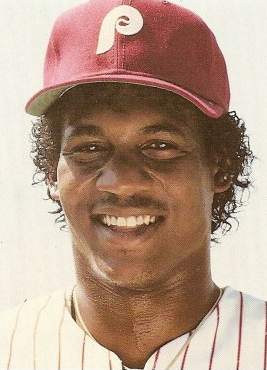 Sidenote: Steve Jeltz's first home run in the 4th inning was hit lefthanded off Pirates right-hander Bob Walk. His second came righthanded off the lefty reliever Bob Kipper. Jeltz became the first player in the Phillies 107-year history to hit a home run from both sides of the plate in the same game. Tomas Perez (2001) and Jimmy Rollins (2006) are the only other Phillies to do the same. Of note, the first player in major league history to accomplish this feat was Wally Schang of the Philadelphia Athletics, who did so in 1916.
Join Philly Sports History on Facebook!
Sidenote: Steve Jeltz's first home run in the 4th inning was hit lefthanded off Pirates right-hander Bob Walk. His second came righthanded off the lefty reliever Bob Kipper. Jeltz became the first player in the Phillies 107-year history to hit a home run from both sides of the plate in the same game. Tomas Perez (2001) and Jimmy Rollins (2006) are the only other Phillies to do the same. Of note, the first player in major league history to accomplish this feat was Wally Schang of the Philadelphia Athletics, who did so in 1916.
Join Philly Sports History on Facebook!
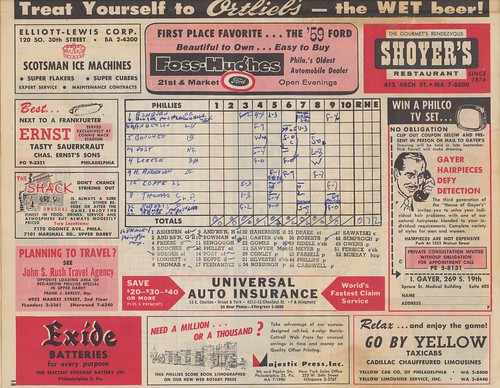
 This was the ad on the back of the Phillies 1959 scorecards. (You can see the inside of the card here). Interestingly enough, at the time this card was printed, you could indeed have Ortlieb's before the game or after the game...but not during the game. Shibe Park did not start serving beer until 1961.